Melbourne is known for its beautiful gardens and big public parks, but sometimes the most special places to find are in the local spots that tourists may never discover. Nestled in Hawthorn East just minutes from Camberwell Junction, Fritsch Holzer Park is one of those secret green spaces that locals love — but few other Melburnians know about.
This park, unlike some of Melbourne’s more popular tourist-focused parks is quiet relaxed spacious and truly a local community park. Dog walkers are exchanging pleasantries along the gravel paths, families are firing up weekend barbecues, joggers are circling the tracks and locals are simply sinking down beneath native trees to soak up the fresh air.
Of particular interest regarding Fritsch Holzer Park is the historicity of that name. It is now been turned into peaceful parkland with walking tracks and native bush but decades ago this area was part of Melbourne’s industrial brickmaking heritage before turning to landfill, then landscaping it back into public park.
This incredible metamorphosis gives the park its own signature. It might be a patch of grass in suburban Melbourne, but it is much more than that. It is the symbol of urban renewal, community effort and environmental recovery.
A brilliant spot for visitors traversing Melbourne’s eastern suburbs, locals desperately seeking a bit of peace and some canines on the hunt for one of the better off-leash parks in the area, Fritsch Holzer Park is one those parks that should be receiving far more attention than it typically does.
Where is Fritsch Holzer Park?
Fritsch Holzer Park is located in Hawthorn East in Melbourne’s eastern suburbs within the City of Boroondara.
Address: 18 Symonds Street, Hawthorn East VIC 3123
The park sits close to:
Camberwell Junction
Auburn Village
Tooronga Road
Riversdale Road
Burke Road
One reason locals love this park is because it feels surprisingly secluded despite being close to busy suburban roads and shopping precincts.
Within only a few minutes, you can go from heavy Melbourne traffic to quiet walking tracks surrounded by native plants and open grassy areas.
The History of Fritsch Holzer Park
One of the most fascinating things about Fritsch Holzer Park is its layered history.
Long before it became green public space, this site was connected to Melbourne’s booming brickmaking industry during the late 1800s.
The park is named after Augustus Fritsch and the Holzer brothers, who formed the Upper Hawthorn Brick Company in 1883.
At the time, Melbourne was expanding rapidly. Huge numbers of bricks were needed to build homes, businesses and public buildings across Victoria. The factory here reportedly employed around 50 workers and produced approximately 250,000 bricks every week.
Many of the bricks created in this area helped shape Melbourne’s historic suburbs during the Victorian building boom.
As industrial activity eventually declined, the land changed purpose.
In 1972, the council purchased the site and used it as landfill until 1986. It later operated as a temporary waste transfer station until 1989.
For years afterwards, the land sat largely unused while the landfill stabilised.
Rather than leaving the site abandoned forever, the area was eventually transformed through cooperation between the City of Boroondara, the Victorian Government and the Rotary Club of Hawthorn.
In 1995, the modern version of Fritsch Holzer Park officially emerged.
The transformation included:
Landscaping works
Walking paths
Native plantings
Public open spaces
Recreational areas
Community facilities
Environmental restoration
Today, most visitors would never guess the park’s industrial and landfill past.
That transformation makes Fritsch Holzer Park one of Melbourne’s most interesting examples of urban environmental renewal.
Why Locals Love Fritsch Holzer Park
Every Melbourne suburb has a park, but not every park develops a genuine local following.
Fritsch Holzer Park has become especially popular among Hawthorn East residents because it combines several things people value in modern urban green spaces.
1. It Feels Spacious
The open grassy areas give the park a far larger feeling than many suburban parks in Melbourne.
Even during busy weekends, it rarely feels overcrowded.
2. It’s Dog Friendly
The off-leash areas are one of the park’s biggest attractions.
Local dog owners regularly describe it as one of the better dog parks in Melbourne’s inner eastern suburbs.
3. Native Landscaping
Instead of purely formal gardens, the park features Australian native vegetation which creates a more natural bushland atmosphere.
Picnic tables, barbecue facilities and open lawns make it a good choice for families.
6. Peaceful Atmosphere
Despite being close to major roads, the park feels surprisingly calm.
That balance between accessibility and quietness is one of its biggest strengths.
Walking Tracks at Fritsch Holzer Park
Walking is one of the main reasons people visit Fritsch Holzer Park.
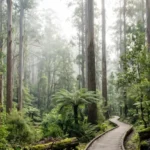
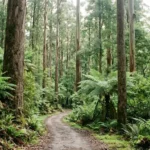
The park contains several winding gravel tracks that loop around the open spaces and native vegetation.
These tracks are suitable for:
Morning walks
Casual fitness
Light jogging
Walking meetings
Dog walking
Pram-friendly strolls
The paths are generally easy and relatively flat, making them suitable for most fitness levels.
Unlike heavily manicured botanical gardens, the tracks here feel slightly more natural and relaxed.
That gives the park a softer, less formal atmosphere.
Best Time for Walking
The best times to walk at Fritsch Holzer Park are:
Early Morning
Cool temperatures, quiet surroundings and active birdlife make mornings especially peaceful.
Late Afternoon
Golden sunlight across the grassy areas creates excellent scenery.
Autumn
Melbourne’s cooler autumn weather makes walking particularly comfortable.
Dog-Friendly Features
Fritsch Holzer Park is widely recognised as one of the better dog-friendly parks in Melbourne’s eastern suburbs.
Many locals specifically visit because of the off-leash areas.
Dogs can enjoy:
Open grassy fields
Walking trails
Natural scents and vegetation
Gentle hills
Social interaction with other dogs
For city dogs used to small suburban footpaths, the park provides far more freedom.
The park’s native landscaping also creates a more interesting environment compared with basic sports-field parks.
Facilities for Dog Owners
Dog owners will appreciate:
Waste bins
Walking tracks
Open space
Water access
Seating areas
Shaded sections
Weekends are particularly social, with regular groups of local dog owners gathering throughout the park.
If you’re travelling through Melbourne with a dog, Fritsch Holzer Park is worth adding to your list.
Native Plants and Natural Environment
One of the park’s strongest features is its use of Australian native plants.
This gives Fritsch Holzer Park a distinctly Australian feel that differs from European-style gardens found elsewhere in Melbourne.
The vegetation includes:
Native grasses
Eucalypts
Shrubs
Bushland plantings
Seasonal flowering plants
The native landscaping attracts local birdlife and insects, helping create a small urban ecological space.
For photographers and nature lovers, the combination of winding paths, grassy areas and native vegetation creates excellent visual variety.
The park also changes noticeably throughout the year.
Fritsch Holzer Park Through the Seasons
Summer
Summer brings:
Longer daylight hours
Evening picnics
Weekend barbecues
Active dog walking crowds
Dry golden grass tones
Early mornings and evenings are best during hotter weather.
Autumn
Autumn is arguably the park’s best season.
Melbourne’s cooler temperatures make walking far more comfortable, while softer sunlight creates beautiful scenery.
Winter
Winter gives the park a quieter atmosphere.
Foggy mornings and damp gravel paths create a peaceful suburban escape.
Dog walkers still remain active during winter.
Spring
Spring brings fresh greenery and increased bird activity.
It’s one of the best seasons for photography.
Picnic Areas and Barbecue Facilities
Fritsch Holzer Park works exceptionally well for casual gatherings.
Unlike some crowded Melbourne picnic destinations, this park often feels more relaxed and community-focused.
Facilities include:
Picnic tables
Sheltered seating
Barbecue areas
Open lawns
Public toilets
Families regularly use the park for:
Birthday gatherings
Weekend lunches
Family meetups
Informal celebrations
Community catchups
The open spaces also allow kids to run around freely.
If you’re planning a small outdoor gathering in Melbourne’s eastern suburbs, this park is an excellent low-stress option.
Is Fritsch Holzer Park Good for Families?
Yes, Fritsch Holzer Park is very family friendly.
Parents appreciate the combination of:
Open visibility
Walking paths
Quiet atmosphere
Picnic facilities
Nearby playground access
Large grassy areas
Children can enjoy:
Running around open lawns
Ball games
Scooters on paths
Nature exploration
Bird spotting
Nearby Symonds Street Reserve also adds additional recreational value for families.
Because the park is less crowded than Melbourne’s major tourist parks, parents often find it easier to relax here.
Photography at Fritsch Holzer Park
Although it’s not widely promoted as a photography destination, Fritsch Holzer Park offers plenty of excellent photo opportunities for casual photographers, Instagram users and nature lovers.
The park’s mix of:
Native vegetation
Open grassy spaces
Curved walking tracks
Natural textures
Soft afternoon lighting
creates a very “Melbourne suburban nature” aesthetic that feels authentic rather than overly designed.
Best Photography Spots
1. Gravel Walking Paths
The winding gravel tracks are among the park’s most photogenic features.
During golden hour, sunlight filtering through native trees creates soft shadows and warm tones across the paths.
2. Open Lawns at Sunset
The elevated grassy areas catch late afternoon light beautifully.
In summer especially, the dry golden grass gives the park a distinctly Australian appearance.
3. Native Bushland Sections
Photographers interested in Australian flora will enjoy the native plant areas.
These sections attract:
Small birds
Butterflies
Bees
Seasonal wildflowers
4. Foggy Winter Mornings
Winter mornings can create surprisingly atmospheric scenery.
Mist drifting across the open lawns gives the park a calm and cinematic feel rarely associated with suburban Melbourne.
Best Time for Photography
The ideal photography times are:
Early morning
Late afternoon
Spring flowering season
Autumn golden light
Midday sunlight during summer can be harsh, particularly on open grassy sections.
Birdlife and Wildlife
Even though Fritsch Holzer Park sits within suburban Melbourne, the native landscaping attracts a reasonable amount of local wildlife.
Visitors may spot:
Rainbow lorikeets
Magpies
Cockatoos
Noisy miners
Wattlebirds
Small skinks
Butterflies
Bird activity is usually strongest during early morning and spring.
For families with children, the wildlife adds another layer of interest during walks.
Nearby Attractions in Hawthorn East
One advantage of visiting Fritsch Holzer Park is its proximity to several excellent Melbourne eastern suburb attractions.
Camberwell Junction
Only a short drive away, Camberwell Junction is one of Melbourne’s best-known shopping and dining precincts.
Visitors can explore:
Boutique shops
Cafes
Restaurants
The famous Sunday Market
Historic architecture
Auburn Village
Auburn Village has a quieter local feel with charming cafes and small businesses.
It’s ideal for coffee after a morning walk.
Anderson Park
Another nearby green space, Anderson Park offers:
City skyline views
Open lawns
Walking paths
Sports areas
Many locals combine visits to multiple parks across Boroondara.
making it convenient for picnic supplies before visiting the park.
Best Cafes Near Fritsch Holzer Park
One of Melbourne’s great strengths is café culture, and Hawthorn East certainly delivers.
After exploring the park, there are several excellent nearby options for coffee or brunch.
Cafe Culture Around Hawthorn East
The surrounding suburbs are filled with quality cafés ranging from modern brunch venues to traditional bakeries.
Popular menu items typically include:
Smashed avo
Specialty coffee
Fresh pastries
Breakfast bowls
Melbourne-style brunch dishes
Ideal Post-Walk Coffee Stops
Many visitors enjoy grabbing:
Morning coffee after dog walking
Weekend brunch with family
Picnic takeaway food
Cold drinks during summer
The combination of parkland and nearby café culture is part of what makes Hawthorn East so liveable.
Getting to Fritsch Holzer Park
One reason the park remains popular is its easy accessibility.
By Car
Driving is the simplest option for many visitors.
The park is close to:
Tooronga Road
Riversdale Road
Burke Road
Monash Freeway connections
Street parking is generally available nearby, although weekends can become busier.
By Public Transport
Melbourne’s public transport network also makes access relatively easy.
Nearby options include:
Camberwell Station
Auburn Station
Tram services along Riversdale Road
Burke Road trams
From these transport points, the park is accessible via short walks.
By Bicycle
The eastern suburbs contain many bike-friendly streets, making cycling another enjoyable way to reach the park.
Accessibility
Fritsch Holzer Park is generally accessible for a wide range of visitors.
Features include:
Wide walking paths
Gradual slopes
Open spaces
Seating areas
Easy path navigation
Prams and mobility aids can access most main sections comfortably, although some gravel surfaces may feel slightly uneven after heavy rain.
Community Importance
What truly separates Fritsch Holzer Park from many suburban parks is the sense of local ownership and community connection.
This is not simply a decorative green space.
It functions as a genuine community hub where locals regularly gather for:
Exercise
Social interaction
Dog walking
Family outings
Relaxation
The park reflects Melbourne’s broader emphasis on liveability and accessible public spaces.
Its transformation from industrial land and landfill into thriving public parkland also represents a major environmental success story.
Environmental Significance
Urban parks play an increasingly important role in modern cities.
Fritsch Holzer Park contributes to:
Urban cooling
Biodiversity support
Community wellbeing
Wildlife habitat creation
Improved air quality
Stormwater absorption
The native vegetation helps support local ecosystems while also reducing maintenance requirements compared with traditional formal gardens.
This style of environmentally conscious urban landscaping is becoming increasingly important across Melbourne.
Tips for Visiting Fritsch Holzer Park
Visit Early for Peace and Quiet
Mornings are the calmest time to enjoy the park.
You’ll experience:
Cooler temperatures
More birdlife
Softer light
Fewer crowds
Bring Picnic Supplies
The barbecue and lawn areas make the park ideal for casual outdoor meals.
Carry Water During Summer
Melbourne summers can become extremely hot, particularly during afternoon heatwaves.
Respect Dog Areas
The park is popular with dog owners, so awareness around shared spaces helps maintain the friendly atmosphere.
Wear Comfortable Shoes
Although the walking tracks are relatively easy, gravel surfaces are more comfortable with supportive footwear.
Why Fritsch Holzer Park Stands Out
Melbourne has no shortage of famous parks.
Places like:
Royal Botanic Gardens
Fitzroy Gardens
Edinburgh Gardens
Albert Park
often dominate travel guides.
But smaller suburban parks like Fritsch Holzer Park reveal another side of Melbourne — the quieter, community-focused side that locals experience every day.
The park stands out because it successfully combines:
Environmental restoration
Recreational space
Native landscaping
Dog-friendly facilities
Family accessibility
Peaceful atmosphere
Local history
without feeling overly commercialised or crowded.
It’s the type of place where people naturally slow down.
Fritsch Holzer Park may not appear on every Melbourne tourist itinerary, but it absolutely deserves recognition as one of Hawthorn East’s best green spaces.
Its story of transformation — from brickworks to landfill to thriving community parkland — gives it far more depth than many visitors initially realise.
Today, the park provides a valuable escape from urban stress while remaining easily accessible from central Melbourne and the eastern suburbs.
Whether you’re:
Walking your dog
Planning a picnic
Looking for quiet walking tracks
Exploring Melbourne’s suburban parks
Photographing native landscapes
Visiting with family
Seeking a peaceful local experience
Fritsch Holzer Park delivers a genuinely relaxing and distinctly Melbourne atmosphere.
For locals, it’s a treasured everyday space.
For visitors, it offers an authentic glimpse into the quieter lifestyle side of Melbourne beyond the usual tourist attractions.
FAQs About Fritsch Holzer Park
Where is Fritsch Holzer Park located?
Fritsch Holzer Park is located in Hawthorn East within Melbourne’s City of Boroondara.
Is Fritsch Holzer Park dog friendly?
Yes, the park is very popular with dog owners and includes excellent off-leash areas and walking tracks.
Are there barbecue facilities at the park?
Yes, visitors can access picnic and barbecue facilities suitable for casual gatherings and family outings.
Is Fritsch Holzer Park good for children?
Yes, families regularly visit due to the open lawns, walking paths and relaxed atmosphere.
What is the history of Fritsch Holzer Park?
The site was originally connected to Melbourne’s brickmaking industry in the late 1800s before later becoming landfill and eventually being transformed into public parkland in the 1990s.
Are there walking tracks at Fritsch Holzer Park?
Yes, the park contains gravel walking tracks suitable for walking, jogging and dog exercise.
What is the best time to visit?
Autumn and spring are particularly beautiful, although mornings are enjoyable year-round.
Is parking available?
Yes, nearby street parking is generally available.
Can you picnic at Fritsch Holzer Park?
Absolutely. The park is well suited for picnics, casual lunches and weekend gatherings.
Is Fritsch Holzer Park worth visiting?
Yes, especially for visitors seeking a quieter Melbourne park experience away from the city’s busiest tourist areas.