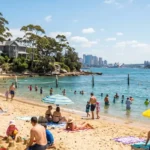
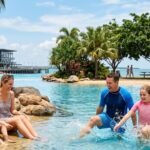
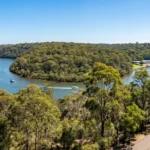
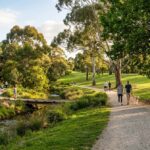
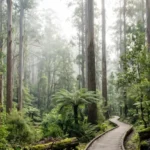
There is something quietly extraordinary about Sir Joseph Banks Park. Tucked between the industrial hum of Port Botany and the leafy streets of Botany suburb, this sprawling green corridor manages to feel like a genuine escape. Families spread out across the lawns with picnic blankets. Children shriek with delight on one of the most innovative playgrounds in New South Wales. Dog owners amble along shaded paths while water dragons slip silently back into the pond. It is the kind of place that locals treasure and visitors stumble upon with a sense of pleasant surprise.
Whether you are a South Sydney local hunting for a new weekend haunt, a parent searching for a day out that will genuinely tire the kids out, or a nature lover keen to spot waterbirds and reptiles without leaving Greater Sydney, Sir Joseph Banks Park delivers in ways that far exceed its modest reputation online. This guide covers everything you need to plan a visit: what to see, what to do, getting there, practical tips and the fascinating history behind one of the most underrated parks in New South Wales.
The Playground That Changed Everything
Ask any Botany local about the park and they will likely start with the playground. It is hard not to. The adventure playspace that now anchors the northern end of the park is genuinely one of the best purpose-built playground facilities in the state, and it was designed that way intentionally.
The 5,200 square metre wonderland was funded through a $2.5 million NSW Government Legacy Grant, a further $250,000 from the Open Spaces Program, and an additional $200,000 contribution from Sydney Airport specifically for landscaping and habitat creation. Before a single piece of equipment was installed, Bayside Council ran extensive community consultation workshops on the site, inviting local children to co-design the space. The result is a playground that reflects what kids actually want rather than what adults assume they want.
The centrepiece is a shell-shaped play tower that rises dramatically from a natural mound, complete with a high inclined log climb, twin high slides and climbing nets. Surrounding it, the space fans out into zones catering to a wide age range: trampolines, lower slides for toddlers, timber balance beams, rock scrambling areas, monkey bars, sandpits and sensory play features. There is even a flying fox setup that includes a seat attachment specifically designed so parents can ride alongside children who are too young or not yet confident enough to go alone. That single design detail speaks volumes about the thought put into this space.
Keep in mind that while the main playground is exceptional, some specific features, including the toddler flying fox, have occasionally been taken out of service due to maintenance or vandalism. It is worth a quick phone call to Bayside Council before making a special trip if the flying fox is your main drawcard.
Wetlands, Wildlife and the Quiet Side of the Park
Beyond the playground, Sir Joseph Banks Park reveals a second, altogether more contemplative character. The central lake and series of smaller ponds form the ecological heartbeat of the space. They support a year-round population of waterbirds, including swans, various duck species, geese and the occasional heron picking its way through the shallows. Freshwater turtles surface regularly near the water’s edge, and if you approach quietly and wait, there is a reasonable chance of spotting one of the park’s resident water dragons basking at the pond margins.
The bushland sections at the northern end of the park contain remnant Eastern Suburbs Banksia Scrub, a plant community so rare it holds state significance and critical listing under federal environmental law. Paperbark trees line sections of the water’s edge, and bush regeneration plantings are gradually expanding the native vegetation cover. Bush tucker garden areas have been incorporated into some sections, acknowledging the Indigenous history of the land.
Birding in the park rewards patience. Seasonal visitors mix with permanent residents, and the wetland interface with Botany Bay means coastal and waterbird species are never far away. The shared walking and cycling paths that thread through the park allow you to move through different habitat zones without retracing your steps, making the natural exploration feel genuinely varied.
History You Can Touch: From Botanic Voyage to Bronze Animals
The park carries a name that anchors it to one of the most significant moments in the documented natural history of this continent. Sir Joseph Banks was the botanist who sailed with James Cook aboard the Endeavour and documented the extraordinary diversity of plant and animal life around Botany Bay during the landing of April 1770. Alongside Daniel Solander, Banks assembled scientific collections that would shape European understanding of Australian flora for generations. Many plant species, including the iconic Banksia genus, now carry his name.
A bronze statue of Banks stands near the formal park entrance, and the nearby Sir Joseph Banks Hotel, which dates back to the mid-1800s, shares his name and legacy. The hotel itself played host to the original Pleasure Gardens in the latter half of the nineteenth century, an ambitious entertainment precinct that featured themed gardens, a sports oval, pergolas, formal terraces and, most remarkably, a private zoo. The zoo housed elephants, Bengal tigers, bears and other exotic animals at a time when such collections were markers of civic ambition in the growing colony.
That zoo is gone, but its ghost remains in the form of life-sized concrete animal sculptures scattered through what locals call the Zoo Park area. Gorillas, a camel, bears, an elephant and tigers sit quietly among the trees, waiting to be discovered by children who delight in climbing on them. Finding the full collection becomes a small adventure in itself. The park was also significantly refurbished during the Australian bicentenary, which added the formal terraces, arbour, maze and ornamental garden elements that give parts of the park a slightly different, more structured character than the wilder bushland sections.
One more historical footnote: a section of the park near the foreshore is associated with the site of one of the first competitive Rugby League matches played in Australia. For a local park, that is a remarkable concentration of historical significance across sport, natural science and colonial history.
BBQ Facilities, Picnics and the Practical Side of Your Visit
Sir Joseph Banks Park is genuinely well set up for extended family visits. Multiple BBQ stations are distributed across the park, with covered picnic shelters nearby. The combination makes it straightforward to plan a full-day outing that includes a proper cooked meal without any of the logistics of packing a complete picnic spread. Water bubblers are positioned along the main paths, and public toilet facilities are maintained near the playground and central park areas.
The open lawn spaces are generous enough to accommodate large family groups, school holiday gatherings and community events comfortably. Shade is reasonably good throughout much of the park thanks to established tree cover, though some sections of open lawn can be exposed during summer, so hats and sunscreen remain sensible. The park experiences a genuine fly population during warmer months, and more than one visitor review specifically recommends packing fly spray. Consider that practical local knowledge.
An off-leash fenced dog area is accessible via Hayden Place, making the park one of the more dog-friendly destinations in the area. The main paths welcome leashed dogs, and the combination of waterbird watching and varied terrain makes it a favourite for dogs and their owners seeking something more stimulating than a standard neighbourhood walk.
Walking, Cycling and Getting the Most From the Paths
The path network at Sir Joseph Banks Park is more extensive than most visitors realise on a first trip. Sealed shared paths run the full length of the park, connecting the adventure playground end through the central lake area and down toward the foreshore and Botany Bay. The foreshore section opens out to water views across to the Sydney Airport runways, which makes for an unexpected plane-spotting bonus, particularly for children who find the sight of wide-body jets lifting off over the water genuinely thrilling.
The full loop, including a foreshore section and return through the bushland paths, covers roughly six and a half kilometres at a comfortable pace. This is all flat terrain with well-maintained surfaces, making it accessible for prams, wheelchairs and cyclists of all experience levels. Off the sealed paths, some of the bushland tracks are less formal and can feel denser in the northern section, but even those are manageable without specialist gear.
The connection to the broader Botany foreshore walking route means the park can serve as a starting or finishing point for longer coastal walks if you want to extend the outing. Early morning visits have a particular quality, with the bird calls at their most active and the light low across the water.
Quick-Reference Park Guide
| Feature | Details |
| Address | Tupia St, Botany NSW 2019 |
| Opening Hours | Open 24 hours (car park gates close at 7:00pm) |
| Entry Fee | Free |
| Phone | +61 1300 581 299 |
| Nearest Suburb | Botany, South Sydney |
| Public Transport | Bus 309 from Green Square station |
| Parking | Off-street parking via Fremlin Street (look for Subway on Botany Rd opposite) |
| Toilets | Yes, maintained facilities near playground |
| BBQ Facilities | Yes, multiple stations with shelters |
| Dogs | Allowed on leash throughout; off-leash fenced area via Hayden Place |
| Playground Age Range | Toddlers through to older primary school age |
| Walk Distance (full loop) | Approximately 6.5 km, flat terrain |
| Wildlife | Swans, ducks, geese, turtles, water dragons, native birdlife |
| Nearest Cafe / Food | Cafes and restaurants along Botany Road; Sir Joseph Banks Hotel nearby |
When to Visit and What to Expect Through the Seasons
The park holds appeal across all seasons, though each has its own character. Spring and autumn deliver the most pleasant conditions: mild temperatures, active birdlife and the native plants at their most photogenic. Spring brings out wildflowers in the bushland sections and increases bird activity around the ponds, while autumn softens the summer heat and the park tends to be quieter outside school holidays.
Summer visits are perfectly viable but demand a little more planning. Bring fly spray, arrive early to secure a shaded picnic spot and keep hats and sunscreen in the bag. The park is popular on summer weekends, particularly around the playground and BBQ areas, so arriving before 10am gives you a better run of the facilities. Winter mornings carry a different quality entirely: the park is noticeably quieter, the waterbirds congregate more visibly around the ponds and the low light across the lake makes for genuinely atmospheric walking.
Nearby and Worth Combining
The Sir Joseph Banks Hotel, a short walk from the park, is a natural post-visit destination for families. Its beer garden is a comfortable place to decompress after a few hours of playground climbing and lake walking, and it serves a range of food options suited to family groups. Multiple cafes and casual dining options line the Botany Road strip for those who prefer more choice.
For visitors keen to extend the day, the Botany foreshore walking path connects southward toward Botany Bay National Park, offering a longer coastal experience that remains largely flat and accessible. In the opposite direction, Sydney Park in Alexandria is roughly fifteen minutes away by car and offers a complementary green space with a different character: more urban design, wetland restoration and skate facilities alongside its own version of family-friendly amenities.
The Bottom Line
Sir Joseph Banks Park is the kind of place that rewards repeat visits. A single trip might take in the playground and a lakeside walk. A second visit might focus on the bushland tracks, the zoo animal sculptures or an early morning wildlife observation. A third might be nothing more than a long BBQ lunch under the paperbarks with friends.
It carries genuine historical significance, real ecological value and the kind of community investment that makes a public space feel genuinely cared for. The multi-million dollar adventure playground is the headline attraction, but the park has enough depth, variety and quiet charm to justify the trip even if the slides were not there at all.
For any family within striking distance of South Sydney, it belongs on the regular rotation. Pack the fly spray, bring something to cook on the BBQ, and plan to stay longer than you intended. That seems to be the universal experience.
Frequently Asked Questions
Is Sir Joseph Banks Park free to visit?
Yes. Entry to the park is completely free. There are no admission charges for any of the facilities, including the adventure playground, BBQ areas or walking paths.
Is the playground suitable for toddlers?
Absolutely. The playground was designed to cater for a wide age range from toddlers through to older primary school children. There are lower slides, sensory play areas and quieter zones specifically aimed at younger children. Note that the playground is not fully fenced, and parts of the park are close to the pond edge, so active supervision of small children is recommended.
Can I bring my dog to Sir Joseph Banks Park?
Dogs are welcome throughout the park on a lead. A dedicated fenced off-leash area is accessible via Hayden Place if your dog needs a proper run.
How do I get to Sir Joseph Banks Park by public transport?
Bus route 309 from Green Square station stops near the park. If driving, follow signs from Botany Road toward Tupia or Fremlin Streets. The main car park entrance via Fremlin Street is the easiest approach for families heading to the playground and BBQ facilities. Note that car park gates close at 7:00pm.
Is there parking at Sir Joseph Banks Park?
Yes, there is free off-street parking available inside the park. The main car park is accessed via Fremlin Street. If you spot the Subway restaurant on Botany Road, the park entrance is directly opposite.
What wildlife can I see at Sir Joseph Banks Park?
The park supports a diverse range of native wildlife. The central lake and ponds are home to black swans, multiple duck species, geese, freshwater turtles and water dragons. The bushland areas host a range of native birds, and the connection to the Botany Bay foreshore adds coastal and shorebird sightings to the mix. Patience and quiet movement near the water’s edge typically rewards with close sightings.
Is Sir Joseph Banks Park good for plane spotting?
The foreshore section of the park sits directly across from Sydney Airport’s runways, making it one of the more accessible plane-spotting locations in Greater Sydney. Wide-body jets taking off over Botany Bay is a genuinely impressive sight, particularly for children.
Are the BBQ facilities always available?
Multiple BBQ stations are provided throughout the park. Availability and cleanliness can vary depending on how busy the park has been and the maintenance schedule. Arriving earlier in the day generally gives you first access to clean facilities.
Read Also: Dandenong Ranges
Read Also: Shark Beach Sydney