Drive far enough north-west out of Sydney and the suburbs start to thin out, the blocks get bigger, and roadside stalls selling vegetables and flowers begin to appear on the honesty-box system. Somewhere in the middle of that shift into semi-rural Galston sits Fagan Park, a 55 hectare parkland that rewards anyone willing to make the trip with themed gardens, open lawns, bushland trails, a lake full of birdlife, and enough picnic space to make a full day of it feel effortless.
What makes Fagan Park stand out from a typical suburban reserve is scale and variety in the same visit. You can wander through a cluster of gardens representing different countries, let the kids loose in two separate playgrounds, walk a short bush track without leaving the grounds, and still have time left over for a barbecue lunch by the lake. It is the kind of park that locals return to across every season, and the kind that first-time visitors tend to underestimate until they are two hours in and still finding new corners to explore.
Fagan Park at a Glance
Before getting into what to actually do once you arrive, here are the practical details worth knowing ahead of a visit.
Detail
Information
Address
38-48 Arcadia Road, Galston NSW 2159
Managed By
Hornsby Shire Council
Total Area
55 hectares (approximately 136 acres)
Opening Hours
7am to 6.30pm daily, shorter hours outside daylight saving, closed Christmas Day
Parking Fee
Roughly $6 to $7 per vehicle, with annual passes available for locals
Dogs
Permitted on lead, plus a large fenced off-leash area
Entrances
Two main car parks: Arcadia Road (main entrance) and Carrs Road
Facilities
Playgrounds, BBQ hot plates, picnic shelters, toilets, coffee van on weekends and holidays
Typical Visit Length
1 to 4 hours depending on how much of the park you explore
A Brief History of Fagan Park
Fagan Park takes its name from the family who farmed this land for generations. The Fagans purchased the property in the 1850s and worked it first as a citrus orchard before shifting to cattle grazing in later decades. In 1980, siblings Bruce and Ida Fagan donated the property to the people of New South Wales, a gift that eventually became the park visitors enjoy today. Hornsby Shire Council was appointed sole trustee, and the park officially opened to the public in November 1988.
Long before European settlement, the land had another history entirely. The Darug people fished and hunted across this region for thousands of years, and their connection to the area predates the farm, the orchard and the park itself by millennia. That layered history, from Traditional Custodianship through to a working farm and now a heavily used public parkland, gives Fagan Park a depth that is easy to miss on a casual visit but worth pausing to appreciate.
Netherby, the homestead still standing near the main entrance, was built around 1900, while a smaller cottage nearby predates it further. On weekends and public holidays, the homestead opens its doors to display artefacts and furnishings from the family’s working farm era, giving visitors a genuine sense of what daily life looked like on this land before it became a public reserve.
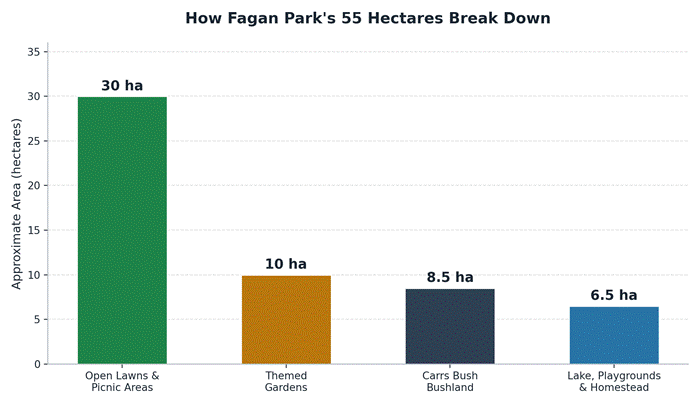
An approximate breakdown of how Fagan Park’s 55 hectares are used, based on published park figures.
Getting to Fagan Park and Parking
Fagan Park sits at 38-48 Arcadia Road, Galston, in Sydney’s Hills District, roughly an hour’s drive from the CBD depending on traffic and route. Public transport options are limited in this semi-rural pocket of Sydney, so driving is by far the easiest way to arrive, and the park’s two car parks, one off Arcadia Road and one off Carrs Road, offer ample space even on busy weekends.
A small parking fee applies, generally sitting somewhere around six to seven dollars per vehicle, with annual passes available for Hornsby Shire residents who visit often. Given the size of the grounds, the standard of maintenance and the range of facilities on offer, most visitors consider it excellent value rather than a deterrent.
What to See and Do at Fagan Park
Fagan Park rewards visitors who treat it less like a quick stop and more like a destination in its own right. Here is a rundown of the main areas worth building into your visit.
Area
Why It’s Worth Visiting
Gardens of Many Nations
A set of themed gardens including Chinese, Dutch, African and North American plantings, especially colourful in autumn
Netherby Homestead
A heritage cottage and outbuildings tracing the Fagan family’s farming history, open on weekends and public holidays
Children’s Forest
A nature play space with informal trails, a pond and simple sculptures, built for unstructured outdoor exploration
Eco Garden
A demonstration garden covering composting, worm farming and edible planting, next to the main playground
Carrs Bush
8.5 hectares of remnant bushland with short interpretive walking trails and native plant life
The Lake
A scenic water feature ringed by mature trees, popular with birdwatchers and photographers alike
Off-Leash Dog Area
A large fenced paddock with bin bags and tennis balls supplied for dogs to run freely
The Gardens of Many Nations
Ten hectares of the park are given over to a series of themed gardens developed when Fagan Park was first established, each representing a different country or region. Walking between the Chinese, Dutch, African, Mediterranean and North American gardens feels a little like a compressed world tour, and the deciduous trees planted throughout many of these sections put on a genuinely striking display of red and gold foliage as the cooler months set in.
The heritage precinct surrounding Netherby homestead offers a quieter, more reflective side to a visit. Old farming equipment, a windmill, water tanks and outbuildings sit scattered around the cottage, giving a tangible sense of the property’s working history. It is particularly worth timing a visit for a weekend or public holiday, when the homestead itself opens for a closer look inside.
Playgrounds and the Children’s Forest
Families are extremely well catered for at Fagan Park. The main playground near the Arcadia Road entrance includes climbing equipment, a flying fox and a Liberty Swing suited to children with additional needs, while a smaller, gentler playground within the Australian Garden suits toddlers better. The Children’s Forest adds an entirely different style of play, with informal nature trails, a small pond and simple sculptures designed to encourage imaginative, unstructured exploration rather than following a fixed play structure.
The Eco Garden
Positioned beside the main playground, the Eco Garden demonstrates sustainable home gardening practices through fruit trees, a herb garden, a compost display and a worm farm. It is a small but genuinely useful stop for anyone interested in picking up a few ideas for their own backyard, and the resident scarecrow has become something of an unofficial park mascot.
Carrs Bush and the Short Bush Walks
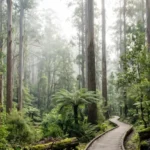
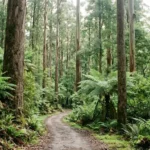
At 8.5 hectares, Carrs Bush protects a pocket of remnant native bushland within the wider park, home to more than 120 recorded plant species. A network of short, interpretive trails winds through the bush, offering a genuinely different atmosphere from the manicured lawns and themed gardens elsewhere in the park. These walks are brief, generally well under an hour, but they add welcome variety to a longer visit and are a good option if you want a taste of bushwalking without leaving the safety of a well-maintained public park.
The Lake and Birdwatching
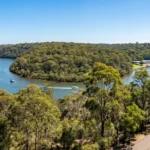
Fagan Park’s lake, framed by mature trees, is arguably the most photogenic single feature in the grounds, particularly in the soft light of early morning or late afternoon. Ducks, coots and swamphens are near-constant residents, and keen birdwatchers have recorded well over a hundred species across the park over the years, including king parrots, honeyeaters, herons and the occasional whipbird. The open lawns surrounding the lake and gardens also make Fagan Park a genuine favourite among local drone photography enthusiasts, thanks to the generous open space and largely unobstructed sightlines.
The Off-Leash Dog Area
Dog owners are well looked after here. Beyond the general rule that leashed dogs are welcome throughout the park, a large fenced paddock gives dogs room to run freely, with waste bags and tennis balls provided on-site, a small touch that local dog walkers consistently appreciate.
Picnics, Barbecues and Practical Facilities
Shaded picnic spots are scattered generously across the grounds, and coin-operated barbecue hot plates make a full cooked lunch straightforward without any need to book ahead. Public toilets are available at multiple points around the park, which matters given how much ground there is to cover. A small takeaway stand typically operates on weekends and during school holidays, serving coffee and simple snacks, though it is worth packing your own food and drinks for a longer visit since options inside the park remain limited outside of those peak times.
Fagan Park Compared With Nearby Sydney Parks
Sydney’s Hills District and southern suburbs are genuinely well served by large public parks, and Fagan Park sits comfortably among the best of them. If you enjoy Fagan Park’s mix of gardens and open space, Olds Park in Penshurst offers a very different but equally worthwhile community-focused alternative further south, built more around sport and an unmissable dragon sculpture than themed gardens.
For a waterside alternative with bushwalking and swimming built in, Oatley Park on the Georges River is well worth adding to your list, particularly if your visit to Fagan Park leaves you wanting more native bushland and birdlife.
Those chasing scenic walking routes closer to the harbour should also look at the Cremorne Point walk, a completely different but equally rewarding side of Sydney’s outdoor scene.
for a beach-meets-bushland day out, Shark Beach at Nielsen Park rounds out a well-balanced list of Sydney green spaces worth exploring beyond Fagan Park itself.
What Visitors Are Saying About Fagan Park
Fagan Park consistently earns strong praise from visitors, and a look through recent feedback shows a few themes coming up again and again.
On value for money: Regular visitors describe the modest parking fee as an easy trade-off for grounds this well maintained, pointing to the themed gardens, endless paved paths, amenities and picnic areas as reasons the cost barely registers as a complaint.
On the family experience: Parents frequently highlight the park as one of the more recommended spots in Sydney for a weekend outing, praising the barbecue facilities and describing it as an ideal getaway destination for families in the wider Dural and Hills District area.
On the walking paths and gardens: One visitor likened the grounds to Richmond Park in London, noting how well suited the paved paths are to children on bikes and scooters, and how enjoyable it is to wander between the small themed gardens representing different countries.
On the dog area and facilities: Reviewers regularly call out the two car parks, two playgrounds, blooming flower displays, the large fenced off-leash dog area complete with supplied bags and tennis balls, plentiful shaded picnic spots, and the short bush walks branching off the main path.
On photography and drone flying: Photography enthusiasts rate Fagan Park among the better spots in Sydney’s north for open-space drone flights, citing the rolling lawns, the lake surrounded by mature trees, generous free parking, and the clean, well-kept condition of the grounds overall.
Tips for Planning Your Visit
Arrive earlier on weekends and during school holidays, since the main Arcadia Road car park fills up by late morning.
Pack a picnic and your own drinks, since the on-site coffee van only operates on weekends and school holidays.
Wear comfortable, closed shoes if you plan on tackling any of the Carrs Bush walking trails.
Bring cash or a card for the parking fee, and consider an annual pass if you live locally and expect to visit often.
Visit in autumn if you want to see the deciduous trees in the themed gardens at their most colourful.
Keep dogs on lead everywhere except the dedicated off-leash paddock, where bags and tennis balls are supplied.
Why Fagan Park Deserves a Spot on Your Sydney Bucket List
Fagan Park’s blend of heritage, horticulture and open space places it firmly among Sydney’s most rewarding public parks, and its scale means repeat visits rarely feel repetitive. According to Wikipedia, the land was farmed by the Fagan family until 1980, when it was donated to the New South Wales Government before opening to the public under Hornsby Shire Council’s trusteeship in 1988, a history that still shapes the park’s character today.
For current opening hours, event notices and detailed maps, the official Hornsby Shire Council Fagan Park page remains the most reliable source, and is worth checking before any visit in case of seasonal changes to hours or facility availability.
Frequently Asked Questions About Fagan Park
How much does it cost to park at Fagan Park?
A parking fee of roughly six to seven dollars per vehicle applies at both car parks. Annual passes are available for Hornsby Shire residents who visit regularly, and most visitors consider the fee reasonable given the size and upkeep of the grounds.
Is Fagan Park good for young children?
Yes. There are two distinct playgrounds, including a smaller and gentler one within the Australian Garden suited to toddlers, plus the Children’s Forest nature play area, wide flat paths for bikes and scooters, and shaded picnic spots throughout the grounds.
Are dogs allowed at Fagan Park?
Dogs are welcome on a lead throughout the park, and there is also a large fenced off-leash area where dogs can run freely. Waste bags and tennis balls are provided on-site within that off-leash paddock.
How long does it take to see all of Fagan Park?
A relaxed loop covering the main gardens, the lake and the playground area typically takes one to two hours. Visitors wanting to also explore the Carrs Bush walking trails, the Eco Garden and the Netherby homestead in detail should plan for closer to three or four hours.
Is there food available inside Fagan Park?
A small takeaway stand generally operates on weekends and during school holidays, serving coffee, ice creams and light snacks. Outside those times, food options are limited, so packing your own picnic is the safer option.
Can you fly a drone at Fagan Park?
The park’s open lawns and lake make it a popular spot among local drone photography enthusiasts, particularly around golden hour. As with any public park, it remains good practice to check current Hornsby Shire Council rules and any relevant aviation regulations before flying, and to fly considerately around other visitors.
What is the best time of year to visit Fagan Park?
Autumn is especially popular thanks to the deciduous trees throughout the themed gardens turning shades of red and gold. Spring is also a strong choice for flower displays, while the shaded picnic areas make summer visits comfortable even on warmer days.
Is Fagan Park accessible for prams and wheelchairs?
Much of the park is linked by sealed, paved paths that suit prams and wheelchairs well, though the short bush trails through Carrs Bush are less formal and may be harder going, particularly after rain.
Related Reads
If Fagan Park has you in the mood to explore more of Sydney’s best parks and outdoor spots, these guides are worth reading next.