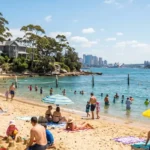
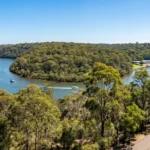
Ask any Aucklander where they disappear to the moment the weather turns and the answer, more often than not, is the Coromandel Peninsula. It sits close enough for a long weekend and wild enough that it never quite feels like an extension of the city. Golden beaches curl around volcanic headlands, native forest tumbles straight down to the tideline, and small towns still run on the kind of unhurried pace that makes a Kiwi summer worth the wait. This guide walks through exactly why the Coromandel Peninsula deserves a proper place on your New Zealand itinerary, what makes it different from the postcard version most visitors see, and how to plan a trip that actually matches the way locals experience it.
Where Is the Coromandel Peninsula?
The Coromandel Peninsula juts north from the Waikato region of New Zealand’s North Island, separating the Hauraki Gulf and Firth of Thames to the west from the open Pacific Ocean to the east. A spine of forested ranges runs down its centre, with Moehau at the northern tip and the Coromandel Range further south, forcing State Highway 25 to wind along the coast rather than cut straight through. That single detail explains almost everything about the region: because the land is too steep to develop easily, huge stretches of coastline and bush have simply been left alone. The main service towns are Thames, Coromandel Town, Whitianga, Tairua, Pauanui and Whangamata, each with its own personality rather than a single strip of identical shops.
How to Get to the Coromandel Peninsula
Most visitors arrive by road. From central Auckland, the drive to Thames along State Highway 2 and 25 takes roughly one and a half to two hours, while reaching Whitianga or Hahei on the eastern side adds another hour on top of that because of the winding coastal road. From Hamilton, Thames is about an hour via State Highway 26. Tauranga sits a similar distance away through Waihi, which also makes the Coromandel an easy add-on to a Bay of Plenty trip. There is no public bus network beyond Thames, so a hire car is the only realistic way to see more than one town, and fuel stops are worth planning since some stretches between settlements run 40 to 60 kilometres without a station.
Why the Coromandel Peninsula Deserves a Spot on Your Itinerary
Cathedral Cove and Its Sea Caves
Mautohe / Cathedral Cove, near the small township of Hahei, is the single image most people associate with the Coromandel: a soaring limestone archway framing a white-sand beach on either side. It sits inside the Te Whanganui-o-Hei Marine Reserve, one of New Zealand’s oldest marine protected areas, which is why the water here stays so clear for snorkelling at nearby Gemstone Bay and Stingray Bay. The cove is reached by a coastal walking track of around 45 to 60 minutes each way, by water taxi, or by kayak tour, and it has consistently drawn a five-star rating across independent review platforms. Arrive early or late in the day, since the middle hours in summer can get genuinely crowded.
| Location | Grange Road, Hahei 3591, Coromandel Peninsula |
| Typical rating | 4.7 to 5 out of 5 across major travel review sites |
Hot Water Beach’s Natural Hot Pools
About thirty minutes south of Hahei, Hot Water Beach lets you dig your own private spa straight into the sand. Underground geothermal fissures push naturally heated water up through a specific stretch of beach, and for roughly two hours either side of low tide, visitors hire a spade from a nearby cafe and carve out a personal hot pool a few metres from the surf. It is unusual enough that most first-time visitors to New Zealand put it on their must-do list, and it remains one of the most reviewed attractions on the entire peninsula, with well over sixteen hundred visitor reviews and a strong average rating. Check the tide timetable before you go, since arriving at high tide means there is no beach to dig into at all.
Driving Creek Railway and a Genuinely Original Story
Just north of Coromandel Town, Driving Creek Railway is a narrow-gauge mountain railway built almost entirely by one potter, Barry Brickell, who began laying track in 1975 to haul clay for his pottery and ended up constructing spiral loops, double-deck viaducts and tunnels across a regenerating native forest. The one hour, fifteen-minute return journey climbs to the EyeFull Tower lookout above the Hauraki Gulf, passing ceramic sculptures tucked into the bush along the way. It is family-friendly, runs in almost any weather, and gives a very different kind of Coromandel experience than another beach walk.
| Address | 380 Driving Creek Road, Coromandel 3506, New Zealand |
| Contact | +64 7 866 8703, open daily, roughly 9.00am to 6.00pm |
Beaches Beyond the Postcard Shots
Cathedral Cove and Hot Water Beach get the attention, but the peninsula is stitched together with quieter bays that rarely make the highlight reels. New Chums Beach, reached by a short tidal crossing and a bush track north of Whangapoua, is regularly named among the country’s best beaches precisely because you cannot drive to it. Otama and Opito Bay offer wide, near-empty stretches of sand a short detour from Whitianga, while Kennedy Bay and Waikawau Bay on the peninsula’s less-visited eastern and western edges reward anyone willing to add an extra hour of driving. If you are chasing New Zealand’s coastline without the crowds, these are the places locals actually send their friends.
Karangahake Gorge and a Gold Mining Past
At the peninsula’s southern edge, the Karangahake Gorge Historic Walkway threads through old crushing batteries, tunnels and swing bridges left behind from the 1880s to 1950s gold rush that shaped this part of New Zealand. Nearby Waihi still operates as a working gold town, and a stop in Paeroa lets you photograph the giant L&P bottle marking the birthplace of the country’s best-known soft drink. It is an easy add-on for anyone driving in or out of the Coromandel from the south, and it swaps beach scenery for genuinely interesting industrial history.
The Pinnacles and the Coromandel Coastal Walkway
For anyone who wants to earn the view, the Pinnacles Track is an overnight tramp through the forested ranges to a summit with 360-degree views across the entire peninsula, best tackled with an early start to catch sunrise from the top. Less strenuous but still rewarding is the Coromandel Coastal Walkway between Fletcher Bay and Stony Bay, a several-hour walk beneath Mount Moehau through farmland, native bush and coastline that most tourists never see because it sits at the peninsula’s remote northern tip.
Small Coastal Towns With Their Own Character
Part of the appeal is that no two towns feel the same. Whitianga has the busiest marina and the most restaurants; Coromandel Town keeps a slower, arts-and-crafts feel with galleries and the historic School of Mines museum; Tairua and Pauanui sit either side of an estuary, one laid-back and the other more polished; and Whangamata draws a strong surf crowd in summer. Thames, the peninsula’s southern gateway, has the region’s best selection of cafes and antique stores. If you enjoy comparing small-town character on a road trip, it is worth noting that New Zealand does this well elsewhere too, and our guide to things to do in Gisborne, another laid-back sunrise-facing coastal city, makes a good companion read if you are extending a North Island trip further east.
Food, Markets and Local Flavour
The Coromandel’s food scene leans toward fresh seafood, particularly mussels and oysters farmed in the Hauraki Gulf, alongside small-town bakeries, farmers markets in Coroglen and Thames, and the smoked fish shops around Coromandel Town. It is a more rustic food culture than a big city’s cafe scene, and if you are the sort of traveller who plans a trip around good coffee, it is a useful contrast to read alongside our roundup of the best cafes in Queenstown, since the Coromandel trades polish for freshness and small-batch local roasters rather than a big alpine town’s cafe density.
Marine Reserves and Coastal Wildlife
Beyond Cathedral Cove’s marine reserve, the wider Hauraki Gulf supports dolphins, seabirds and, seasonally, migrating whales, and boat tours from Whitianga and Hahei regularly spot wildlife alongside the coastal scenery. Snorkelling at Gemstone Bay follows a signposted underwater trail with information buoys explaining the reef life below, making it accessible even for visitors without diving experience.
How the Coromandel Compares to Other New Zealand Beach Regions
Travellers often ask how the Coromandel stacks up against the Bay of Islands further north or the Bay of Plenty just to the south. The honest answer is that it sits somewhere in between the two in terms of development, but wins on sheer variety packed into a small area. The Bay of Islands leans heavily on sailing and marine history, while the Bay of Plenty is built around Tauranga and Mount Maunganui’s more urban beach culture. The Coromandel, by contrast, still feels genuinely rural in places, with unsealed roads leading to some of its best beaches and a real sense that you are exploring rather than simply visiting. For a first trip to New Zealand’s North Island, it consistently offers the best ratio of iconic scenery to driving time from Auckland.
Best Time to Visit the Coromandel Peninsula
Summer, from late December through February, is peak season, with average daytime temperatures around 22 to 23 degrees Celsius and sea temperatures warm enough for long swims, but it is also when accommodation books out and Hot Water Beach and Cathedral Cove are at their busiest. Shoulder seasons, particularly March to April and October to November, offer milder crowds, comfortable daytime temperatures and noticeably quieter tracks and beaches. Winter (June to August) is cool and wetter, with daytime highs around 15 degrees, but the thermal pools at Hot Water Beach and the geothermal Lost Spring resort near Whitianga are arguably at their best when the air is cold. Because daylight hours shift substantially between seasons in New Zealand, it is worth checking exact sunrise and sunset times before planning an early Cathedral Cove walk or a low-tide session at Hot Water Beach, since both are easiest to enjoy without a crowd right around first light.
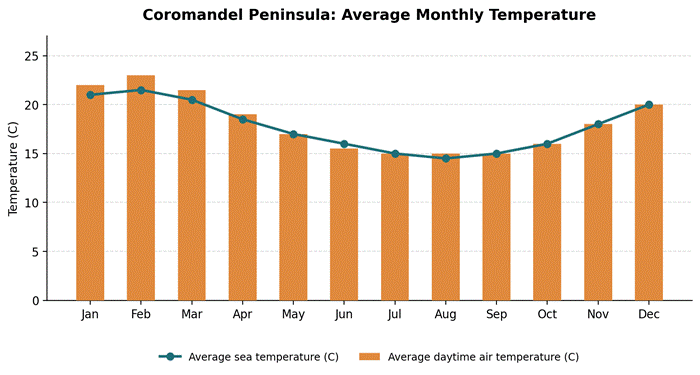
Approximate average monthly air and sea temperatures for the Coromandel Peninsula, based on long-term climate averages for Whitianga and Coromandel Town.
If you are travelling in spring and enjoy chasing seasonal colour on a longer New Zealand road trip, our separate guide on where and when to see lupins in New Zealand covers the South Island’s flowering season, which pairs well with a North Island coastal leg like the Coromandel earlier in the same trip.
Top Coromandel Peninsula Attractions at a Glance
| Attraction | Address / Location | Best For | Typical Rating |
| Cathedral Cove | Grange Road, Hahei 3591 | Iconic photos, swimming | 4.7 – 5.0 / 5 |
| Hot Water Beach | Pye Place, Hahei 3591 | Digging your own hot pool | 4.5 / 5 |
| Driving Creek Railway | 380 Driving Creek Road, Coromandel 3506 | Families, native bush, quirky history | 4.5 / 5 |
| New Chums Beach | Whangapoua, Coromandel Peninsula | Escaping the crowds | 4.7 / 5 |
| Karangahake Gorge | SH2, near Waihi and Paeroa | Gold mining history, walks | 4.7 / 5 |
| The Lost Spring | 121A Cook Drive, Whitianga 3510 | Geothermal pools, relaxing | 4.5 / 5 |
Ratings are approximate averages drawn from major independent travel review platforms at the time of writing and can shift slightly over time.
A Simple 3-Day Coromandel Peninsula Itinerary
- Day 1: Drive from Auckland to Coromandel Town, ride Driving Creek Railway in the afternoon, and settle in for the evening around the town’s galleries and seafood shops.
- Day 2: Head to Hahei early for the Cathedral Cove walk before the crowds build, snorkel at Gemstone Bay, then time your afternoon around low tide at Hot Water Beach.
- Day 3: Explore Whitianga, take a short detour to New Chums Beach or Otama Beach, then loop south through Tairua or Whangamata before heading home via the Karangahake Gorge if time allows.
Practical Tips Before You Go
A little planning goes a long way on the Coromandel Peninsula, mostly because distances that look short on a map often take longer than expected on winding coastal roads, and because several of the best experiences are tide-dependent rather than available at any time of day. The tips below cover the details that catch out most first-time visitors.
- Book a hire car in advance during summer, since the peninsula has no meaningful bus network beyond Thames.
- Check tide tables before visiting Hot Water Beach or Cathedral Cove; both are tide-dependent experiences.
- Pack layers even in summer, since evenings cool quickly once the sun drops behind the ranges.
- Fuel up before long stretches between towns, particularly on the eastern coastal road.
- Book accommodation well ahead for the New Zealand summer school holidays, when the Coromandel is at its busiest.
Final Thoughts
The Coromandel Peninsula earns its reputation honestly. It has the headline attractions that make a good travel photo, but it also has the quieter corners, native bush tracks and small-town character that give a trip real substance once the photos are taken. Whether your plan is a relaxed long weekend from Auckland or a slower week working around tide times and back roads, it is one of the few places in New Zealand where the well-known highlights and the lesser-known local favourites sit comfortably side by side.
Frequently Asked Questions
Is the Coromandel Peninsula worth visiting?
Yes. It combines some of New Zealand’s best-known natural attractions, Cathedral Cove and Hot Water Beach among them, with quieter beaches, native forest walks and small towns that most visitors to Auckland never get around to seeing.
How many days do you need on the Coromandel Peninsula?
Two to three days covers the main highlights comfortably, while five or more days allows time for the quieter beaches, the Pinnacles overnight track and a proper loop of the whole peninsula.
How far is the Coromandel Peninsula from Auckland?
Thames, the gateway town, is roughly one and a half to two hours’ drive from central Auckland, while Whitianga or Hahei on the eastern side typically take about two and a half to three hours because of the winding coastal road.
Do you need a car to visit the Coromandel Peninsula?
Practically, yes. Public transport beyond Thames is very limited, so a hire car gives you the freedom to reach beaches, tracks and towns spread across the whole peninsula.
What is the best month to visit the Coromandel Peninsula?
January and February bring the warmest weather but the biggest crowds. March, April, October and November offer a good balance of mild weather and thinner crowds for visitors who prefer a quieter trip.
Is Hot Water Beach free to visit?
Access to the beach itself is free. Most visitors hire a spade from a nearby cafe for a small fee, and timing your visit around low tide is essential to actually dig a pool.
Can you swim at Cathedral Cove?
Yes, the sheltered beach either side of the archway is popular for swimming, and the surrounding marine reserve also offers snorkelling at nearby Gemstone Bay.